
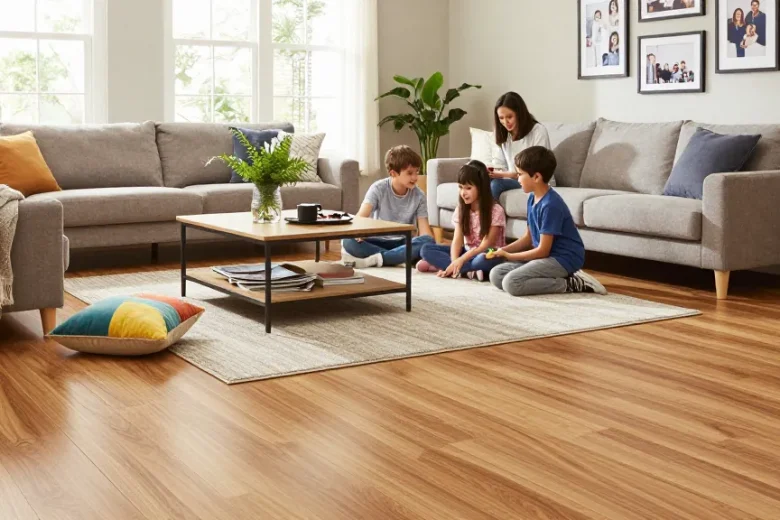
Understanding Easy to Maintain Flooring Options
Choosing the right flooring for your home can be a challenging task, especially with the variety of options available today. Among the most popular choices are laminate and engineered wood flooring, both of which offer unique benefits and challenges. Homeowners in the UK often find themselves torn between these two options, each promising durability, style, and ease of maintenance. When exploring options, easy to maintain flooring options provide comprehensive insights into keeping your home looking its best while minimizing upkeep.
What Are Easy to Maintain Flooring Options?
Flooring options that are classified as “easy to maintain” typically require minimal effort to keep them looking fresh and clean. These kinds of floors resist stains, scratches, and wear, making them ideal for busy households. Laminate and engineered wood fall within this category, but understanding their specific maintenance requirements is key to making the best choice for your lifestyle.
Key Features of Laminate and Engineered Wood
Laminate flooring is a synthetic product that mimics the look of natural wood without the associated upkeep. Manufactured from high-density fibreboard, it features a printed design layer that gives it a wood-like appearance, topped off with a protective layer that enhances durability and makes it scratch-resistant. This type of flooring is ideal for areas with high foot traffic or where children and pets are present, thanks to its resilience.
On the other hand, engineered wood consists of a real hardwood veneer that is bonded to multiple layers of plywood. This construction provides enhanced stability compared to solid wood and offers the authentic look and feel of hardwood flooring. Engineered wood can also be refinished, which is a significant advantage over laminate if you wish to change the hue or finish over time.
Benefits of Choosing Low Maintenance Flooring
Opting for low maintenance flooring solutions like laminate and engineered wood comes with several advantages:
- Time-saving: With easy-to-clean surfaces, homeowners can spend less time on maintenance and more time enjoying their space.
- Cost-effective: By reducing the frequency of repairs or replacements, easy maintenance flooring can save money in the long run.
- Healthier Home Environment: Many easy to maintain flooring options resist allergens and are easier to clean, promoting a healthier living space.
- Style Variety: Both laminate and engineered wood come in a wide range of styles, colors, and textures, allowing for customization to suit individual tastes.
Comparing Laminate and Engineered Wood Flooring
Structure and Durability of Both Options
The structural differences between laminate and engineered wood directly impact their durability and suitability for various home environments. Laminate flooring is designed to withstand heavy foot traffic, making it perfect for high-use areas. However, its surface can be prone to damage from moisture; thus, it is best used in dry spaces such as living rooms and bedrooms.
Engineered wood, while still durable, is more susceptible to moisture than laminate but can perform well in mildly humid areas if properly sealed. Its layered construction allows for excellent dimensional stability, making it less likely to warp or buckle in fluctuating temperatures and humidity levels.
Visual Appeal: Aesthetic Considerations
For many homeowners, aesthetics are just as important as functionality. Laminate offers a plethora of design options, including various wood finishes, patterns, and colors that can fit almost any decor style. However, the texture of laminate can sometimes feel less authentic than wood, leading some to prefer the more tactile experience of engineered wood. Engineered wood, being real wood, offers a natural beauty that is often hard to replicate with laminate.
Cost Analysis for Budget-Conscious Homeowners
When considering cost, laminate generally comes out as the more affordable option. The typical price range for laminate flooring in the UK is significantly lower than that of engineered wood. However, while laminate is budget-friendly, engineered wood can be seen as a worthwhile investment, especially when durability and long-term value are considered.
For homeowners looking to add value to their property, choosing engineered wood flooring can provide a higher return on investment if they ever decide to sell. It appeals to buyers seeking the luxurious feel of real wood, often justifying its higher price tag.
Practical Uses of Flooring in Different Rooms
Best Practices for Kitchen Flooring Options
When it comes to flooring in kitchens, practicality and durability reign supreme. Given the frequency of spills and the presence of moisture, laminate flooring can be an excellent choice due to its resistance to water and stains. It’s easy to clean and maintain, making it ideal for busy kitchen environments.
Engineered wood can also be used in kitchens, but it requires more care. Ensuring proper sealing and maintenance is essential to prevent moisture damage. Homeowners should be diligent about cleaning spills promptly and avoiding excessive standing water to preserve the integrity of engineered wood floors.
Living Room Style and Maintenance Tips
The living room is often the focal point of a home and should reflect personal style while also being practical. Laminate flooring can work beautifully in this setting, providing a wide array of design options that suit any aesthetic preference. Its easy maintenance allows homeowners to enjoy their space without worrying about constant upkeep.
For those who prefer the warmth and sophistication of real wood, engineered flooring offers an elegant solution. With proper care, it can maintain its beauty for many years, making it an excellent choice for this high-traffic area.
Creating Comfortable Spaces with Easy to Maintain Flooring Options
Creating comfortable spaces in your home is essential for fostering a welcoming atmosphere. Easy to maintain flooring options allow for versatile design elements while ensuring that comfort and style are not sacrificed. Whether you opt for laminate or engineered wood, both types of flooring can complement your decor and lifestyle.
Installation and Maintenance Tips
DIY Installation vs. Professional Help
When it comes to installation, laminate flooring is often favored for its DIY-friendly design. Many laminate products feature a click-lock mechanism, which simplifies the installation process and eliminates the need for glue or nails. This makes it accessible for homeowners who are comfortable with basic home improvement projects.
On the other hand, engineering wood may require a higher level of expertise, especially if it involves glue-down installations or requires precise adjustments. Homeowners may find it beneficial to hire professionals for the installation of engineered wood to ensure optimal results and longevity.
Routine Maintenance for Longevity
Proper maintenance is crucial for extending the lifespan of both laminate and engineered wood flooring. For laminate, regular sweeping and the occasional damp mop with a gentle cleaner can keep the floor looking new. Homeowners should avoid excessive water, which can lead to swelling and damage.
Engineered wood floors benefit from similar cleaning practices, but they may also require occasional refinishing to maintain their appeal. Understanding the specific care instructions for each flooring type is essential for ensuring longevity and performance.
Handling Repairs for Laminate and Engineered Wood
While both types of flooring are relatively low maintenance, wear and tear can occur. Laminate flooring can be challenging to repair; typically, if it is damaged, a plank may need to be replaced entirely. Many manufacturers provide warranties that cover defects and damages that can aid homeowners in this area.
Engineered wooden floors can often be sanded and refinished, allowing homeowners the option to restore their floor’s original luster rather than replacing it. Understanding the repair intricacies of each flooring type can help in making an informed decision for your home.
Future Trends in Flooring for 2026 and Beyond
Sustainable Flooring Options and Their Benefits
As homeowners become more environmentally conscious, sustainable flooring options are gaining popularity. Many manufacturers are now focusing on eco-friendly materials and processes, which can include recycled content in laminate flooring and sustainably sourced wood in engineered options. This trend not only helps in reducing one’s carbon footprint but also offers opportunities for creating unique, stylish designs.
Technological Advancements in Flooring Materials
Future trends in flooring encompass not just style but also technology. Innovations in production processes are leading to the creation of flooring materials that resist scratches, stains, and moisture even more effectively. Additionally, advancements in installation techniques are making it easier for homeowners to achieve professional-grade results.
Predictions for the Future of Easy to Maintain Flooring Options
As the demand for easy to maintain flooring options continues to rise, it’s likely that we will see even more diverse offerings from manufacturers. Laminate and engineered wood floors are expected to evolve further, incorporating new textures, finishes, and designs that cater to the tastes and needs of modern homeowners.
What Should You Look For When Choosing Flooring?
When selecting the best flooring for your home, consider several factors: your budget, lifestyle, and aesthetic goals. Evaluate the wear and tear your floors will face, especially in high-traffic areas. Look for features that enhance ease of maintenance, durability, and style to ensure that your flooring choice is both practical and visually appealing.
How Do Easy to Maintain Options Affect Home Value?
Homebuyers often prioritize low-maintenance features when shopping for properties, making easy to maintain flooring options a valuable asset. Laminate and engineered wood can both enhance a home’s appeal, providing buyers with a durable and stylish foundation that aligns with their modern needs.
Are There Limitations to Easy to Maintain Flooring Options?
While easy to maintain flooring options have numerous advantages, they are not without limitations. For instance, laminate cannot be refinished and may not be suitable for spaces prone to excessive moisture. Engineered wood, while more flexible, can still be affected by humidity if not properly cared for. It’s essential to understand these limitations to make the best informed decision for your home.
What Are the Best Brands for Easy to Maintain Flooring?
Several reputable brands stand out when considering easy to maintain flooring options. Quick-Step and Pergo are two prominent names in the laminate market, known for their durability and variety. For engineered wood, brands like Bruce and Kahrs offer high-quality selections, often featuring sustainable materials and finishes. Researching each brand’s offerings can help homeowners find the perfect fit for their needs.
How Does Flooring Type Impact Allergies?
Choosing the right flooring can significantly impact indoor air quality, especially for allergy sufferers. Laminate flooring is often hypoallergenic, resisting dust and allergens thanks to its smooth surface. Conversely, engineered wood can harbor allergens if not properly maintained, as dust and debris can settle in the wood grain. Regular cleaning and maintenance can help mitigate these issues, ensuring a healthier living environment.
What Maintenance is Required for Each Flooring Type?
Laminate flooring typically requires minimal maintenance, with regular sweeping and occasional damp mopping needed to keep it in good condition. Engineered wood demands a bit more attention, including periodic refinishing to maintain its appearance, alongside routine cleaning to prevent dirt build-up. Understanding the maintenance needs of each option can greatly influence long-term satisfaction with your flooring choice.